
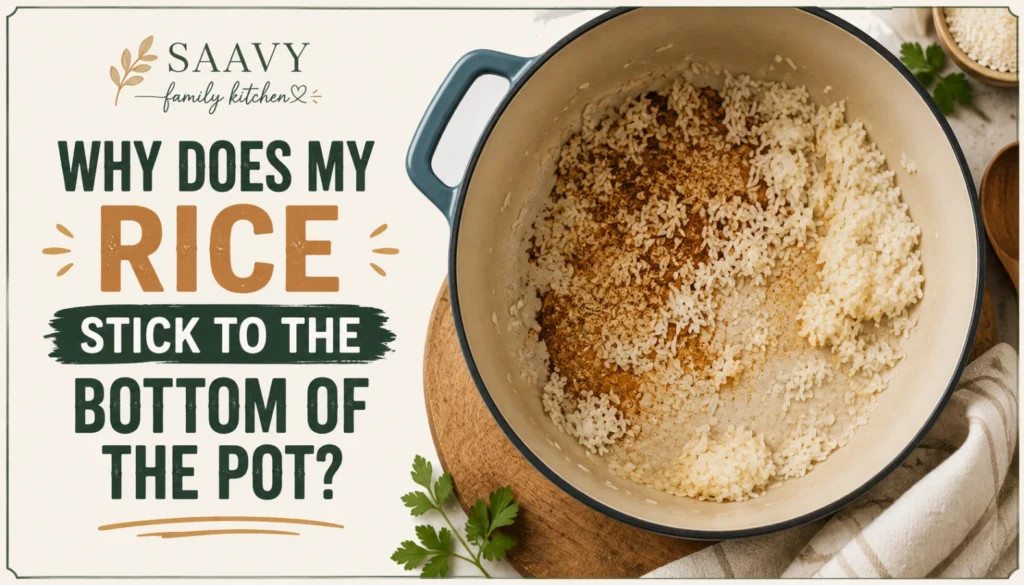
Why Does My Rice Stick To The Bottom Of The Pot? (And How To Stop It)
Few things are more frustrating than lifting the lid on a pot of rice only to discover a thick layer stuck to the bottom. Not only can it make washing up a chore, but it can also leave you with less rice to serve and, in some cases, a burnt flavour.
The good news is that rice sticking to the bottom of the pot is usually caused by a few common cooking mistakes that are easy to fix. Whether you’re cooking white rice, jasmine rice, basmati rice or brown rice, understanding why it happens can help you achieve fluffy, evenly cooked rice every time.
In this guide, we’ll explain the most common reasons rice sticks to the bottom of the pot, how to rescue your meal, and the simple habits that can prevent it from happening again.
Why Does Rice Stick To The Bottom Of The Pot?
Rice naturally settles on the bottom of the saucepan while it cooks. If the heat is too high, there isn’t enough water, or the rice isn’t cooked correctly, the bottom layer can dry out and stick to the pan.
Several factors can contribute to this problem.
1. The Heat Is Too High
This is one of the most common causes.
Once the water comes to a boil, the heat should be reduced to a gentle simmer. If the heat stays too high, the water evaporates too quickly, leaving the rice on the bottom of the pot exposed to direct heat.
As the moisture disappears, the rice begins to stick and may eventually burn.
How to prevent it:
- Bring the water to a boil.
- Reduce the heat to low as soon as it starts boiling.
- Keep the lid on until the rice is fully cooked.
2. There Isn’t Enough Water
Rice absorbs water as it cooks. If there isn’t enough liquid, the bottom layer will dry out before the grains have finished cooking.
This often results in rice that is both undercooked and stuck firmly to the pan.
How to prevent it:
Use the correct water ratio for the type of rice you’re cooking.
| Rice Type | Water Ratio |
|---|---|
| White rice | 1 cup rice : 1½ cups water |
| Jasmine rice | 1 cup rice : 1¼ cups water |
| Basmati rice | 1 cup rice : 1½ cups water |
| Brown rice | 1 cup rice : 2 cups water |
Always check the packet instructions, as cooking times and ratios can vary slightly between brands.
3. The Pot Is Too Thin
Lightweight saucepans often create hot spots, meaning some parts of the base become much hotter than others.
The rice sitting directly over these hot spots can stick or burn while the rest of the rice is still cooking.
A heavy-based saucepan distributes heat more evenly and reduces the risk of sticking.
4. The Rice Wasn’t Rinsed
Many types of rice have excess starch on the outside of the grains.
While starch helps create creamy dishes like risotto, it can also make regular rice much stickier.
Rinsing the rice under cold running water until the water becomes mostly clear removes much of this excess starch.
This can help:
- reduce sticking
- improve texture
- produce fluffier rice
5. The Rice Was Stirred During Cooking
Unlike soups or sauces, rice doesn’t need constant stirring.
Stirring while the rice cooks releases extra starch into the cooking water, making the grains stick together and increasing the chance of them sticking to the bottom of the pan.
Once you’ve covered the pot, leave it alone until the cooking time is complete.
6. The Rice Was Cooked For Too Long
Even with the correct amount of water, leaving rice on the heat after the liquid has been absorbed can dry out the bottom layer.
If you notice the water has disappeared before the timer has finished, check the rice rather than continuing to cook it automatically.
What If My Rice Is Already Stuck?
Don’t scrape it immediately.
Instead:
- Turn off the heat.
- Leave the lid on for 5 minutes.
- Gently fluff the top layer with a fork.
- Scoop out the fluffy rice first.
- Leave the stuck layer behind.
Scraping burnt rice into the rest of the pot can spread the burnt flavour through the entire meal.
Can I Save Rice That’s Stuck?
Usually, yes.
If only the bottom layer is stuck, the rice on top is often perfectly fine.
Transfer the good rice to a clean serving bowl without scraping the bottom of the saucepan.
If the rice has only lightly stuck, soaking the pot in warm, soapy water after cooking will usually loosen the remaining grains.
How To Stop Rice Sticking Every Time
Following a few simple habits can make a big difference.
Use the Correct Pot
Choose a saucepan with:
- a heavy base
- a tight-fitting lid
- enough room for the rice to expand
Measure Carefully
Avoid guessing.
Using measuring cups for both the rice and the water gives much more consistent results.
Keep the Lid Closed
Steam is essential for properly cooking rice.
Every time the lid is lifted, moisture escapes and cooking becomes less even.
Let the Rice Rest
When the cooking time is complete:
- Turn off the heat.
- Leave the lid on.
- Rest for 5–10 minutes.
- Fluff with a fork before serving.
Resting allows any remaining moisture to redistribute through the rice, helping prevent sticking.
Frequently Asked Questions
Why is my rice burnt on the bottom but uncooked on top?
This usually happens when the heat is too high or there isn’t enough water. The bottom layer cooks too quickly while the top grains haven’t had enough steam to finish cooking.
Does rinsing rice stop it sticking?
Yes. Rinsing removes excess surface starch, which helps the grains stay more separate and reduces the chance of sticking to the pot.
Should I stir rice while it’s cooking?
No. Once the rice has come to a simmer and the lid is on, it’s best to leave it undisturbed until it has finished cooking.
Is it normal for a little rice to stick?
A small amount can occasionally stick, especially with certain cookware, but large amounts of stuck or burnt rice usually indicate that the heat was too high, there wasn’t enough water, or the cooking time was too long.
Final Thoughts
Rice sticking to the bottom of the pot is a common cooking problem, but it’s usually easy to prevent. Using the correct water ratio, cooking over low heat, choosing a heavy-based saucepan, and letting the rice rest before serving will help you achieve fluffy rice with less sticking.
If your rice does stick occasionally, don’t assume the whole batch is ruined. In most cases, the rice above the stuck layer is perfectly good and can still be enjoyed.
Related Kitchen Guides
Continue building your rice-cooking confidence with these helpful guides:
- Why Is My Rice Mushy?
- How To Fix Undercooked Rice (Without Starting Again)
- How To Cook Rice Perfectly Every Time